 Editor's Choice
Women's Health
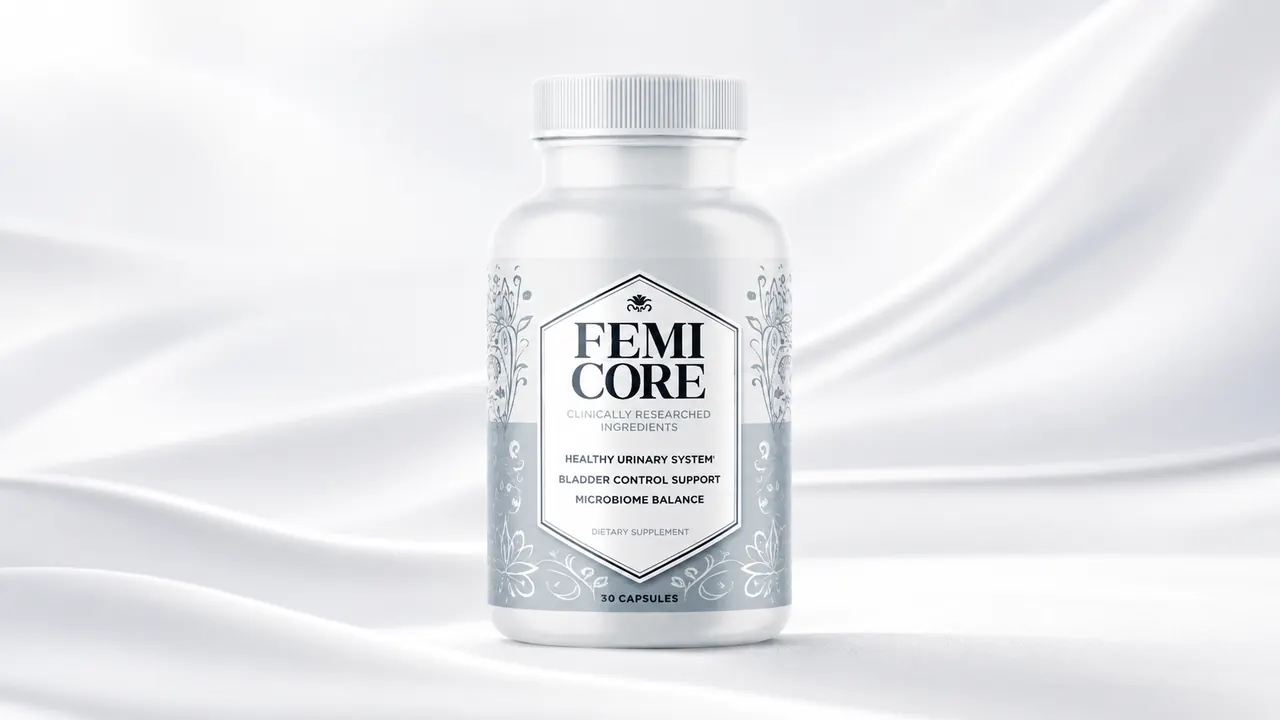
FemiCore Review
Probiotic bladder and urinary health formula designed for women.
Read Full Review →Last Updated:
We reviewed the leading women's health supplements addressing hormonal balance, menopause support, bone health, and vitality — ranked by clinical ingredient quality and verified outcomes for women 35–65.
Editor's Choice
Probiotic bladder and urinary health formula designed for women.
Read Full Review →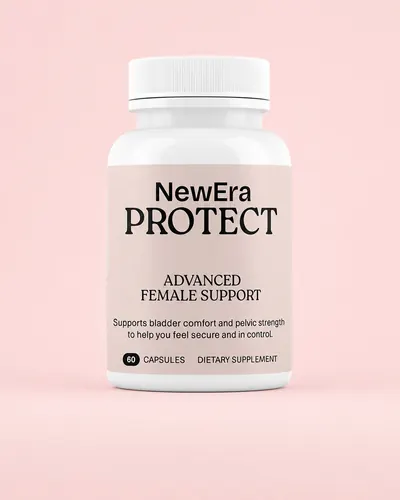 New
New
Seven-ingredient bladder and pelvic floor support formula for women.
Read Full Review →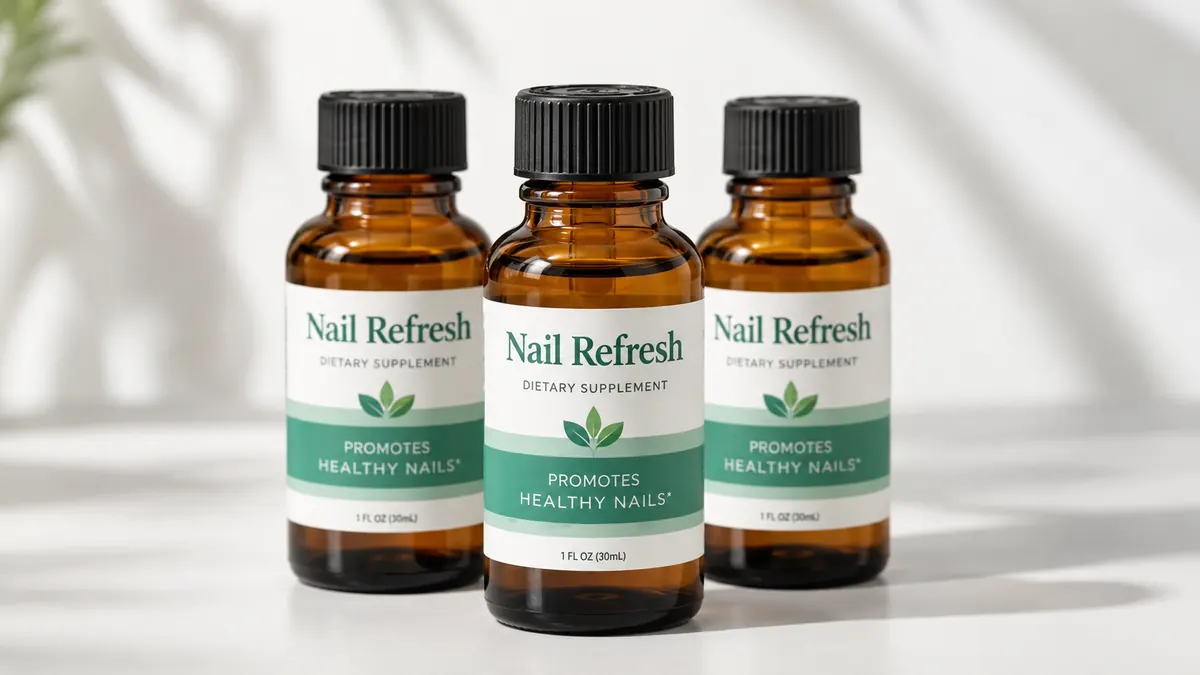 New
New
Daily oral supplement for stronger nails with biotin, collagen, and keratin.
Read Full Review →Browse all 12 supplement categories or return to the homepage to see our latest top-rated picks across every health area.
Women's health supplements address a unique range of physiological needs including hormonal fluctuations, bone density preservation, iron balance, and menopausal symptom management. Here's what the evidence supports.
Black Cohosh (Actaea racemosa) is the most extensively studied botanical for menopausal symptom management. Meta-analyses of clinical trials support its use for reducing hot flash frequency and severity. Effective dose: 20–40mg of standardized extract (1mg triterpene glycosides) per day. Use BfArM-approved formulations for safety assurance.
Calcium + Vitamin D3 + K2 form the essential trio for bone density preservation in perimenopausal and postmenopausal women. Estrogen decline dramatically accelerates bone resorption — calcium (1000–1200mg as citrate), D3 (2000 IU), and K2 MK-7 (100–200mcg) work synergistically to maintain skeletal density.
Iron (Bisglycinate Chelate) is essential for women of reproductive age to replace monthly losses. Iron bisglycinate is the most bioavailable, gentlest form on the GI tract. Dose varies by deficiency severity — testing ferritin levels before supplementing is strongly recommended.
Maca Root (Lepidium meyenii) is an adaptogenic root with growing evidence for improving menopausal symptoms, libido, and energy without directly affecting estrogen levels. 1500–3000mg per day of gelatinized maca is the clinically studied range.
Evening Primrose Oil (GLA) — Gamma-linolenic acid supports hormonal signaling and has modest evidence for reducing breast tenderness, mood swings, and skin symptoms associated with PMS and perimenopause at 500–1000mg per day.
Women on hormone replacement therapy (HRT), oral contraceptives, or with a history of hormone-sensitive conditions should consult their gynecologist before adding phytoestrogenic or adaptogenic supplements to their routine.