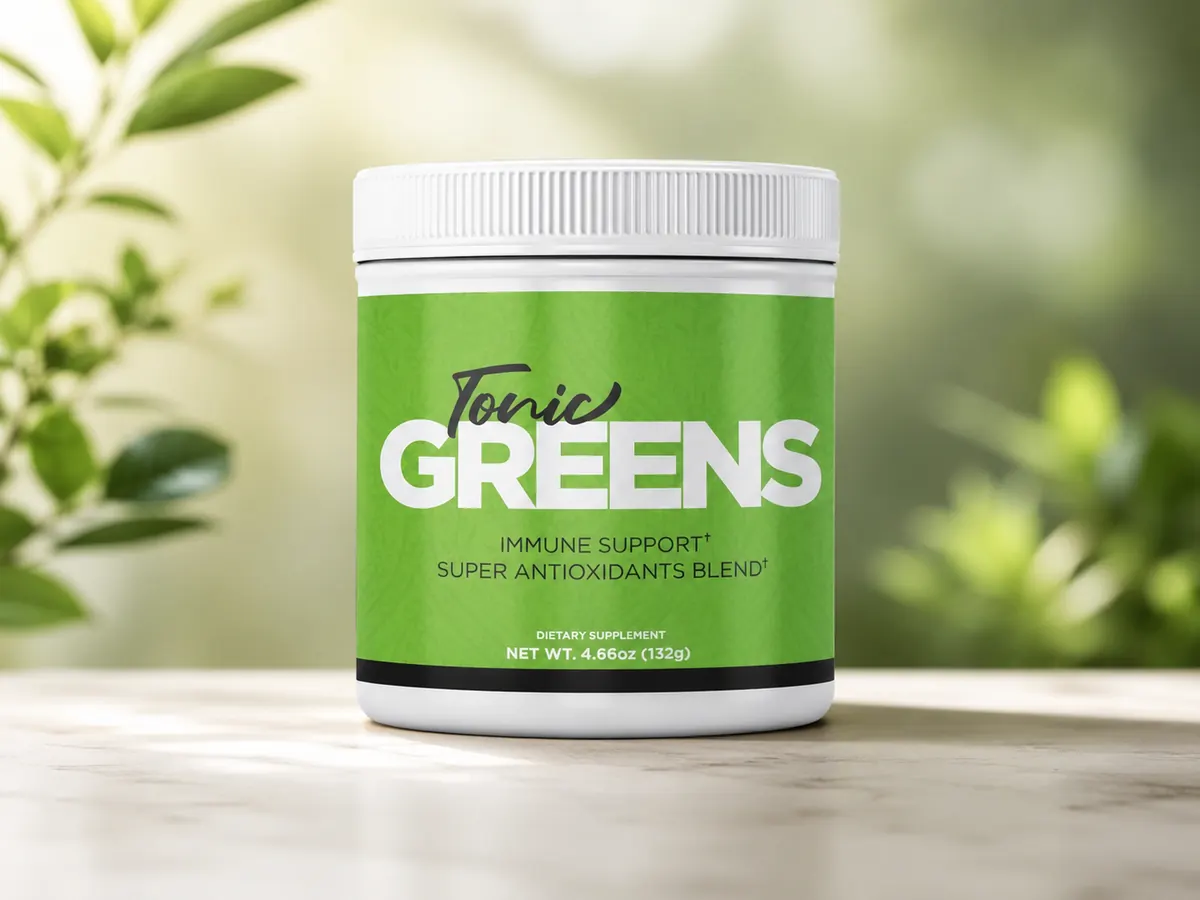
 Best Seller
Immune Support
TonicGreens Review
57+ ingredient immune and energy superfood powder with adaptogens and antioxidants.
Read Full Review →Last Updated:
We ranked the leading immune support supplements by ingredient clinical backing, antioxidant potency, and documented immune-modulating outcomes for adults seeking year-round immune resilience.
Best Seller
57+ ingredient immune and energy superfood powder with adaptogens and antioxidants.
Read Full Review →Browse all 12 supplement categories or return to the homepage to see our latest top-rated picks across every health area.
Immune support supplements range from single nutrients like Vitamin C to comprehensive formulas combining multiple immune-active compounds. Here's how to evaluate what works and what's marketing fluff.
Vitamin C (Ascorbic Acid) remains the most recognized immune supplement. Evidence supports 500–1000mg per day for baseline immune maintenance and 1000–3000mg during acute illness for reduced duration. Buffered or liposomal forms reduce GI irritation at higher doses.
Vitamin D3 — deficiency is strongly associated with increased susceptibility to respiratory infections. Adults in northern latitudes are frequently deficient. 2000–4000 IU per day is appropriate for most adults; testing 25(OH)D levels allows for personalized dosing.
Zinc is required for the development and function of T-cells and NK cells. Zinc acetate or gluconate lozenges at 80–92mg per day reduce common cold duration by 40% when started within 24 hours of symptom onset (Cochrane Review).
Elderberry (Sambucus nigra) standardized extract has meaningful clinical evidence for reducing flu symptom severity and duration. A 2016 RCT in air travelers showed 2-day reduction in cold duration. Effective dose: 150–300mg standardized extract or 15ml of quality syrup daily.
Quercetin is a bioflavonoid with anti-viral and anti-inflammatory properties. It inhibits viral replication across multiple respiratory virus families and acts as a zinc ionophore, improving intracellular zinc delivery. 500–1000mg per day with Vitamin C enhances bioavailability.
Beta-Glucans (from oats or reishi mushroom) are immunomodulators that prime macrophage and NK cell activity without overstimulating the immune system. Effective dose: 200–500mg per day of 1,3/1,6 beta-glucan fraction.
Individuals with autoimmune conditions should exercise caution with immune-stimulating supplements. While ingredients like elderberry and beta-glucans are immunomodulatory rather than purely stimulatory, consulting a rheumatologist before use is strongly advised.