 Editor's Choice
Hearing Support
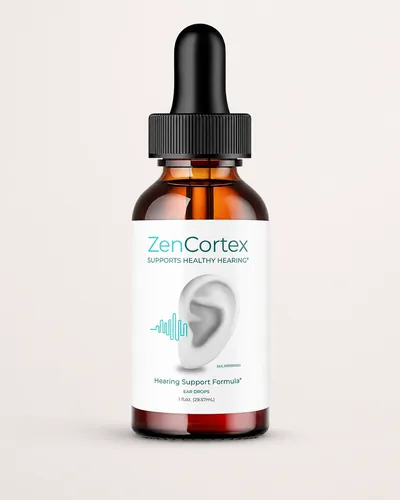
Zencortex Review
Liquid hearing formula with Ginkgo Biloba, NAC, and Alpha-Lipoic Acid.
Read Full Review →Last Updated:
Age-related hearing decline affects millions of Americans. We evaluated the leading hearing support supplements on the market, ranked by ingredient science, antioxidant potency, and verified auditory outcomes.
Editor's Choice
Liquid hearing formula with Ginkgo Biloba, NAC, and Alpha-Lipoic Acid.
Read Full Review →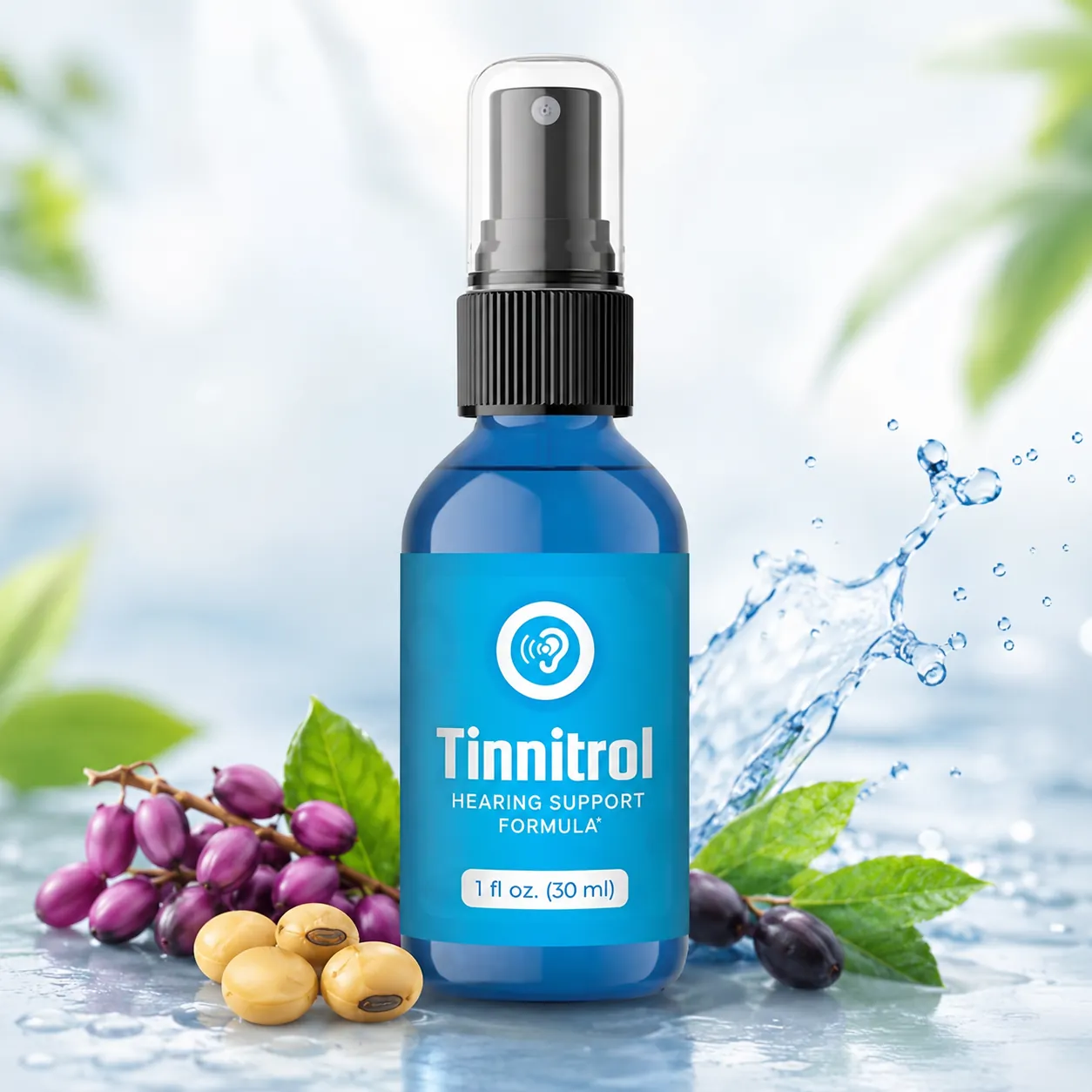 New
New
Natural tinnitus support formula targeting circulation and auditory nerve health.
Read Full Review →Browse all 12 supplement categories or return to the homepage to see our latest top-rated picks across every health area.
Hearing supplements are designed to support auditory nerve health, protect cochlear hair cells from oxidative damage, and improve blood circulation to the inner ear. Understanding the science helps set realistic expectations.
Ginkgo Biloba improves microvascular circulation to the inner ear and has been studied extensively for tinnitus and age-related hearing decline. Effective doses: 120–240mg per day of extract standardized to 24% flavone glycosides and 6% terpene lactones.
Alpha-Lipoic Acid (ALA) is both water and fat soluble, allowing it to protect cochlear hair cells from free radical damage across all cell compartments. 300–600mg per day is a clinically studied dose for auditory nerve protection.
N-Acetyl Cysteine (NAC) is a glutathione precursor with strong evidence for protecting against noise-induced hearing damage. It reduces oxidative stress in cochlear hair cells. 600–1800mg per day is the typical research range.
Magnesium plays a role in vasodilation and inner ear blood flow. Low magnesium is associated with noise-induced hearing loss. 250–400mg of highly absorbable forms like glycinate or threonate is recommended.
Folate (Methylfolate) — low folate levels are associated with age-related hearing loss in population studies. 400–800mcg of active methylfolate (not folic acid) is clinically relevant.
Hearing supplements cannot reverse structural damage to cochlear hair cells — once those cells are lost, they do not regenerate. These supplements are best positioned as preventive support for those with early-stage auditory decline or significant noise exposure history. They are not a substitute for audiological evaluation or hearing aids where clinically indicated.